Lotion bars are solid bars of moisturizer made from equal parts oil, butter, and beeswax. They soften at the touch of warm skin, travel without leaking, and keep for a year or more on the shelf, so they make an easy first body care project and a simple homemade gift.
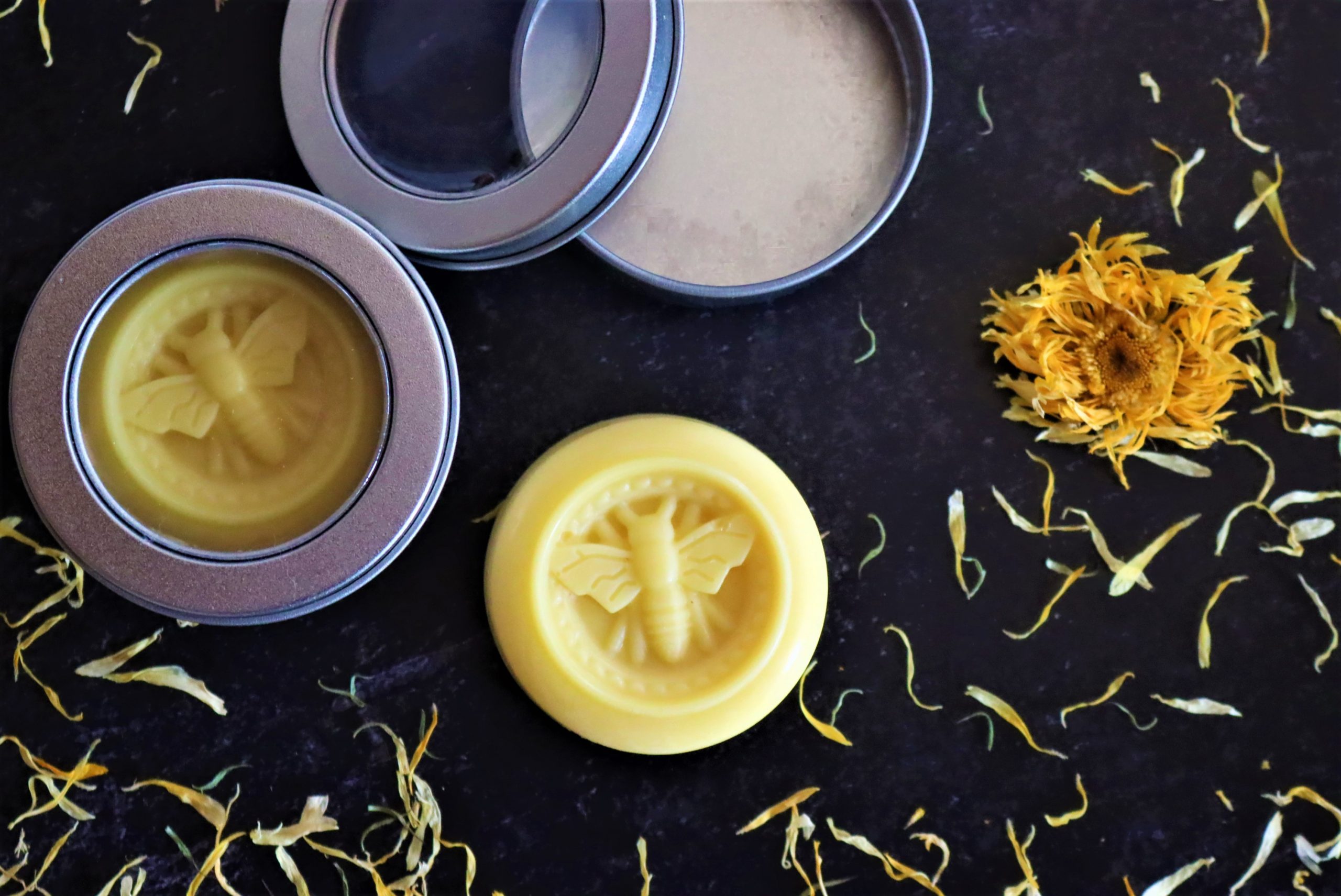
A lotion bar is about as simple as homemade body care gets. There’s no water in the recipe, so there’s nothing to emulsify and no preservative to add.
That’s the big difference from homemade lotion. Anything made with water needs a preservative to keep mold away, while a bar of oil, butter, and wax keeps until the oils themselves get old.
The base is only three ingredients: a liquid oil, a solid butter like shea, and beeswax. You can leave it unscented, add a few drops of essential oil, or steep herbs into the oil first, the same way you would for calendula body butter.
If you enjoy making these, shampoo bars and bath bombs use many of the same ingredients and the same molds.
What Is a Lotion Bar?
A lotion bar is a block of moisturizer that’s firm at room temperature, a bit like a bar of soap. When you rub it on your skin, body heat softens the surface and leaves a thin layer of oil behind.
It has a few advantages over lotion in a bottle:
- No container needed: A bar holds its shape on its own, though it looks nice in a small tin.
- Portable: It won’t leak in a bag or a pocket the way a bottle can.
- Simple ingredients: You choose every oil and scent that goes in, and you can leave out anything your skin doesn’t like.
- Long shelf life: With no water in it, a lotion bar keeps far longer than homemade lotion.
How to Use a Lotion Bar
Hold the bar in your hand for a moment, then glide it over your skin. It softens as it warms, and a little goes a long way. Rub it in with your fingers afterward.
It works best right after a shower or bath, while your skin is still warm and a little damp. I like to keep one close to the shower for that reason.
You can use it on your face too. It’s heavier than a typical face moisturizer, so many people prefer it as part of an evening routine.
Ingredients for Lotion Bars
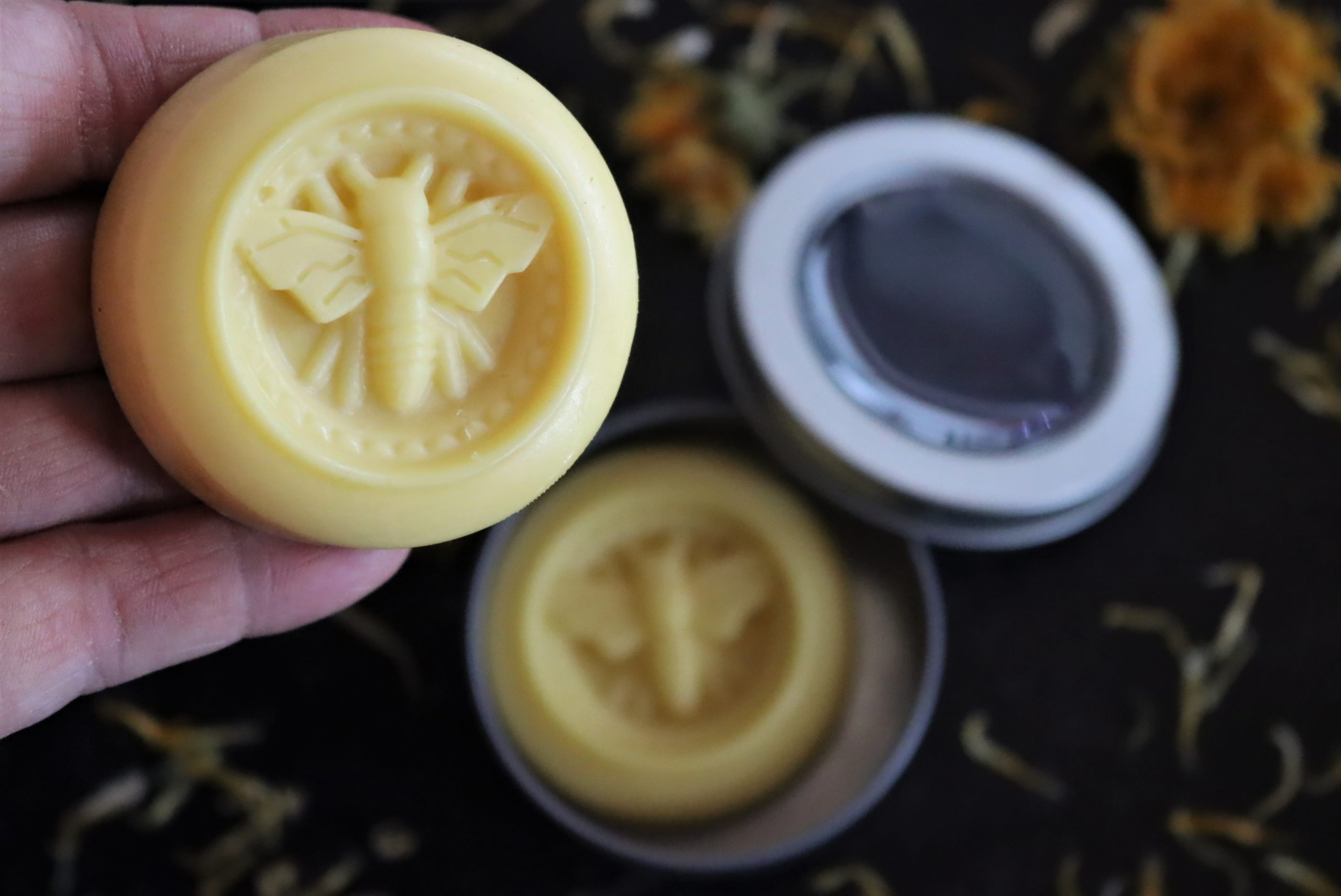
The recipe is equal parts oil, butter, and wax, and each part has a few good swaps. Jojoba oil and shea butter are the pairing I like most, with beeswax to firm it up.
- Liquid oil: This is what makes the bar glide. Jojoba oil, sweet almond, apricot kernel, grapeseed, and avocado oil all work, alone or blended. You can also use an herb-infused oil here.
- Butter: Shea butter gives a creamy, soft bar with very little scent. Cocoa butter makes a harder bar that smells faintly of chocolate, and mango butter makes a softer one.
- Beeswax: The wax is what holds the bar together. Beeswax pellets are the easiest to measure, and a beeswax block works if you grate or weigh it.
- Essential oil (optional): A few drops add scent. Skip it for an unscented bar, which is a good choice for sensitive skin.
Choosing Oil for Lotion Bars
Any skin-safe liquid oil will make a lotion bar, so the choice mostly comes down to how it feels. Some sink in quickly, and others leave more of a glow on the skin.
Jojoba is technically a liquid wax rather than a true oil. A 2018 review in the International Journal of Molecular Sciences notes that it’s made mostly of wax esters, which is part of why it feels light and absorbs quickly.
- Jojoba oil: Light, with almost no scent, and it’s the one I use most often.
- Sweet almond oil: A classic for body care, slightly richer than jojoba. Skip it if anyone using the bars has a nut allergy.
- Apricot kernel oil: Similar to almond oil in feel and a little lighter.
- Grapeseed oil: Very light and inexpensive, a good choice if heavier oils seem to sit on top of your skin.
Avocado oil is thicker and richer, and coconut oil firms up the bar since it’s solid at cool room temperature. Olive oil is easy to find, but the same 2018 review reports that olive oil on its own can weaken the skin’s outer barrier, so it’s better as part of a blend than as the only oil.
Adding Herbs or Essential Oils
An herb-infused oil gives the bars a gentle scent and color. Calendula is a common choice, and the method is the same for most dried herbs. There are step-by-step instructions for calendula oil, dandelion oil, and herbal infused oil in general.
Essential oils give a stronger scent. They’re concentrated, and the National Capital Poison Center advises diluting them in a carrier oil to avoid a bad reaction on the skin. In a lotion bar, the oil and butter do that job, so add them only to the melted mixture and never put them straight on your skin.
A little goes a long way. This essential oil dilution chart suggests 0.5 to 1 percent for lotion bars, or 3 to 6 drops per ounce, which works out to about 15 to 25 drops for one batch of this recipe.
I usually choose scents based on what I enjoy or what a friend would like. Lavender, rose geranium, rosemary, clary sage, peppermint, and frankincense are all popular in lotion bars, alone or blended.
Vegan Lotion Bars without Beeswax
Candelilla wax is the usual plant-based swap. It has about twice the firming power of beeswax, so one supplier, Aussie Soap Supplies, recommends cutting the wax by half when you substitute it.
Start with half as much candelilla as the beeswax called for, then make a small test bar. You can always remelt the batch and add a little more wax if it’s too soft.
Equipment for Lotion Bars
You probably have most of what you need already. A double boiler keeps the heat gentle, and a heatproof glass bowl set over a pot of simmering water works just as well.
Here’s what to gather:
- Scale: A digital scale is handy if you’re working from a block of beeswax.
- Double boiler: Or a glass bowl over a saucepan of water.
- Spatula: A silicone spatula scrapes the last of the mixture out of the bowl.
- Molds: Silicone lotion bar molds, or a muffin tin lightly greased with a neutral oil.
How to Make Lotion Bars
Set up the double boiler and add the oil, butter, and beeswax to the top. Keep the water at a gentle simmer and make sure the bowl isn’t touching it, then stir now and then until everything has melted together.
Take the mixture off the heat. If you’re using essential oil, add it 10 drops at a time and stir it in, up to about 25 drops for the whole batch. You can always add more, but you can’t take the scent back out.
Pour the mixture into your molds. Let the bars set at room temperature for about an hour, or put them in the fridge for 15 minutes to speed things up. Then pop them out, and they’re ready to use.
Yield Notes
By weight, 1/4 cup each comes to about 52 grams of oil, 44 grams of shea butter, and 28 grams of beeswax pellets, the same numbers given for these rose lotion bars. That’s about 4 1/2 ounces of lotion bar in all.
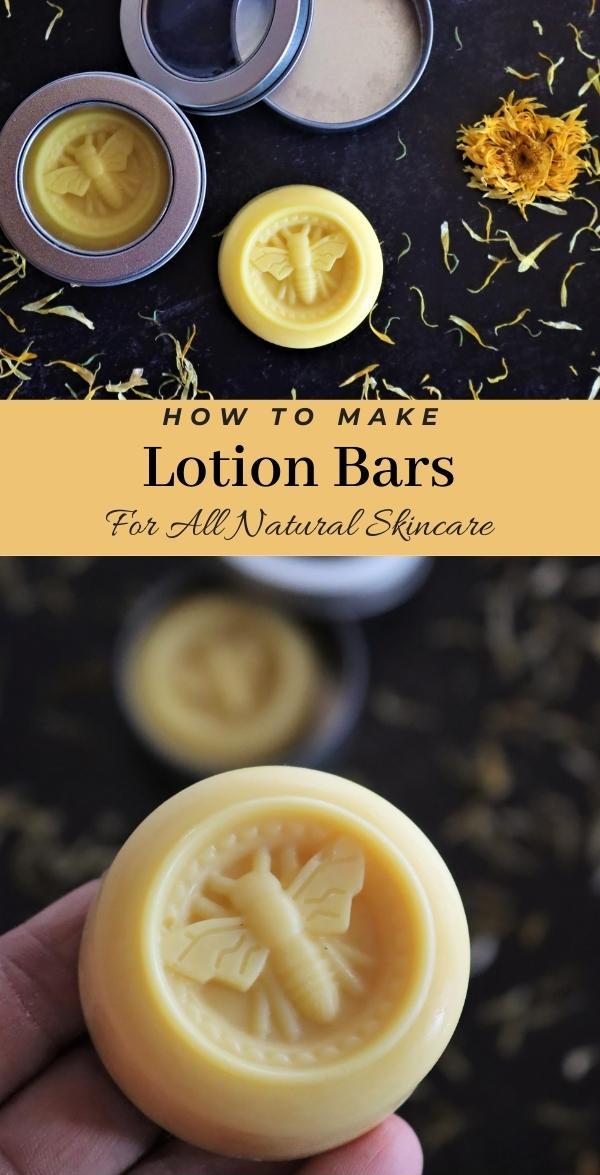
A typical bee-shaped silicone mold, like this bee mold, holds 2 ounces per cavity, so one batch makes about two bars with a little left over, or four 1 ounce bars. For gifts, double or triple the batch.
Using a different mold? Fill one cavity with water, measure it, and compare it to the batch. The same trick tells you whether a bar will fit a 2 ounce or 4 ounce tin.
Troubleshooting Lotion Bars
Lotion bars are forgiving. If a batch doesn’t turn out the way you want, melt it down gently and adjust one ingredient at a time.
Climate makes a difference too. In a hot, humid place you’ll want a firmer bar, and in a cold, dry one a slightly softer bar is easier to use.
How to Make Lotion Bars Harder
Add more wax. Try 1 1/2 times the beeswax as a starting point, or swap some of the shea butter for cocoa butter, which is firmer.
Measuring by volume makes a fairly soft bar, because a 1/4 cup of beeswax pellets weighs only about half as much as a 1/4 cup of oil. For a firmer bar that holds up in warm weather, weigh the ingredients instead. These herbal lotion bars use roughly equal weights of beeswax, butter, and oil.
How to Make Lotion Bars Softer
Use a little less wax and keep everything else the same. Changing one ingredient at a time makes it easy to see what did the trick.
Mango butter also gives a softer bar. I don’t usually use it, but it’s a good choice if you want a bar that glides more easily.
Why Are My Lotion Bars Greasy?
A lotion bar is mostly oil, so it will feel richer than lotion from a bottle. Use less than you think you need, and rub it in well with your hands.
Applying it to damp skin right after a shower helps it absorb. If it still feels heavy, try a lighter oil like grapeseed or jojoba in the next batch, or add a little more wax.
How to Store Lotion Bars
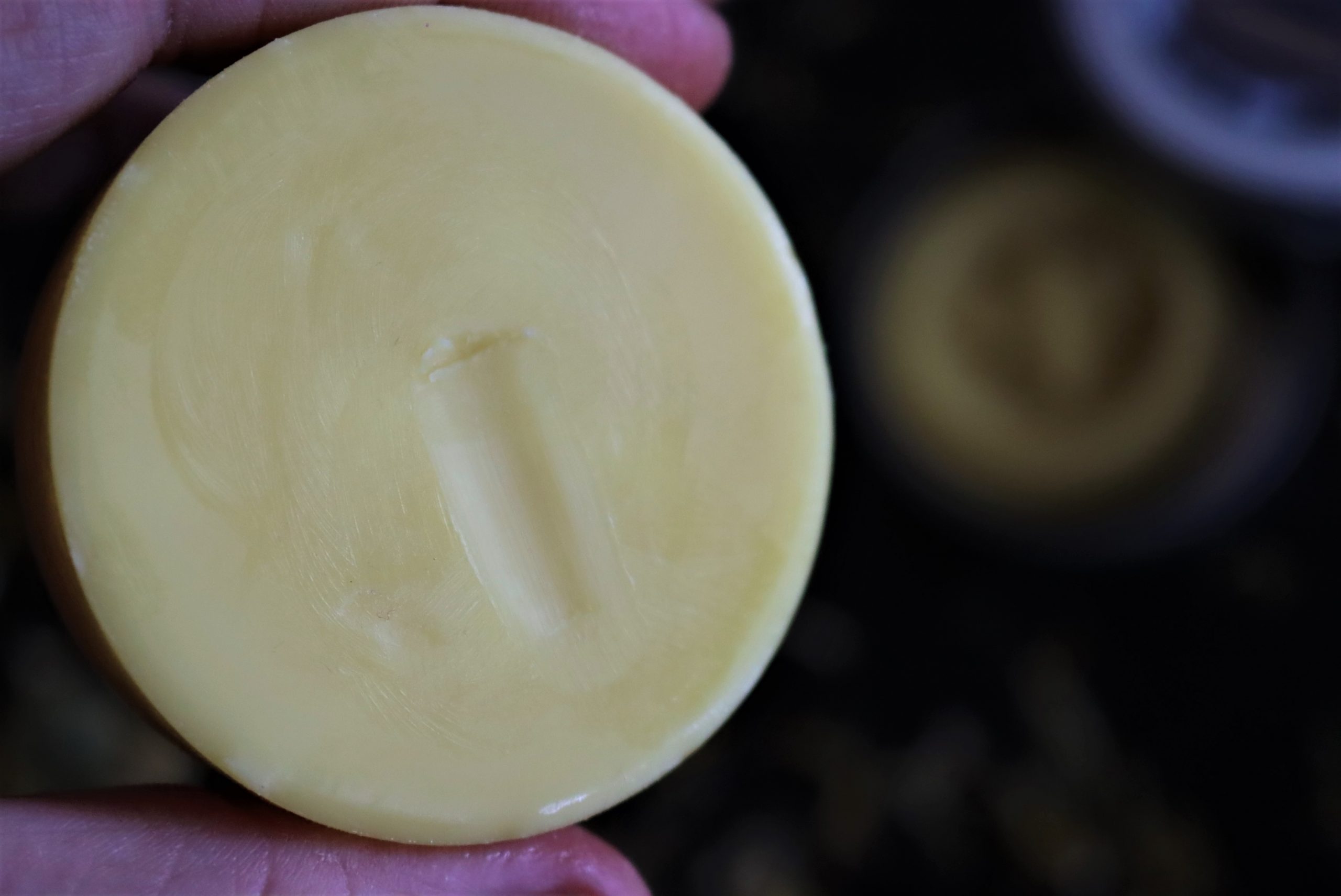
Small salve tins are an easy way to store lotion bars, and the ones with windows look especially nice for gifts. 4 ounce tins with windows, plain 2 ounce salve tins, and little 1 ounce tins all work, depending on the size of your molds.
You can also stack bars in a glass jar with a square of parchment paper between each one. For an on-the-go bar, pour the slightly cooled mixture into an empty twist-up deodorant tube and let it set.
Keep lotion bars away from heat, whether that’s a radiator, a sunny window, or a hot car. They’ll soften into a puddle in the heat, though they still work fine once they cool.
I store mine in metal tins, and the small amount of essential oil in these bars hasn’t caused any trouble with the tins in my experience.
Are Lotion Bars Shelf Stable?
Yes. With no water in the recipe, lotion bars don’t grow mold the way homemade lotion can. What eventually goes off is the oil, which can turn rancid over time.
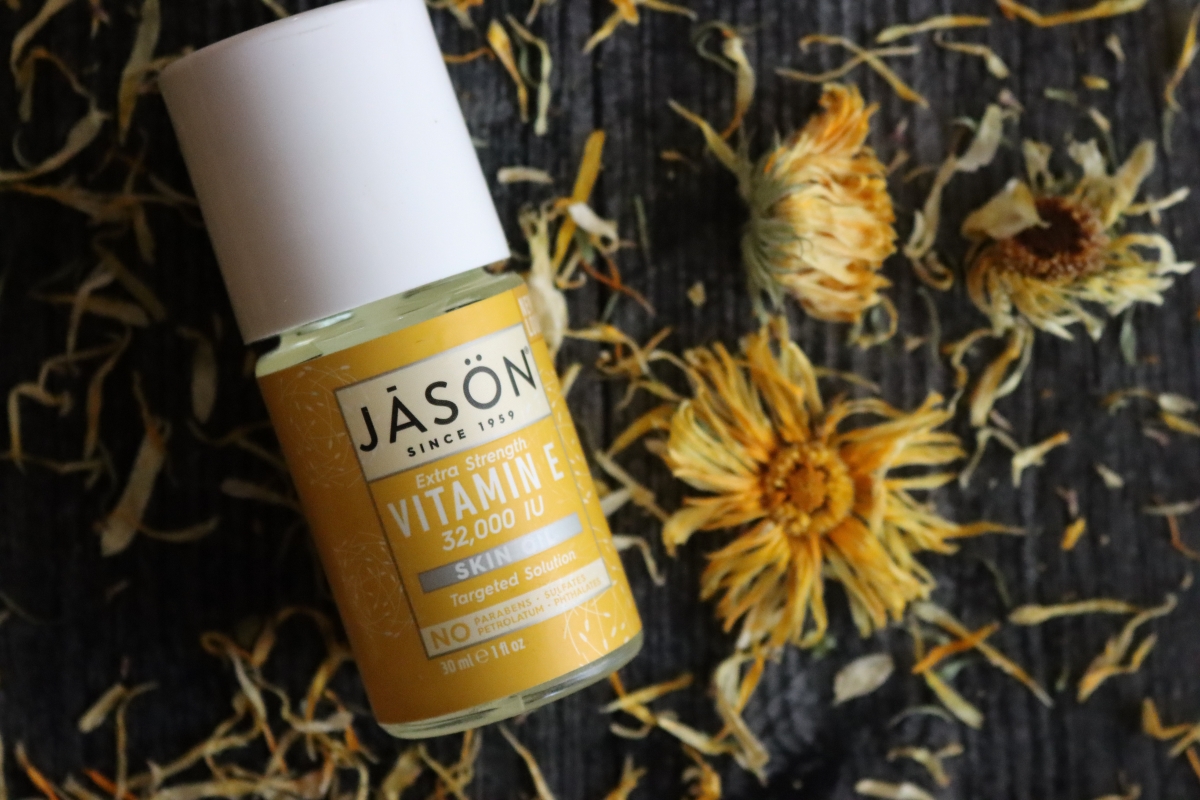
Most lotion bars keep for 1 to 2 years. A few drops of vitamin E oil stirred into the melted oils can help slow rancidity, and storing the bars somewhere cool and dark helps too.
Lotion Bar Recipe Variations
Once you’ve made a basic batch, it’s easy to change things up. Infused oils are the simplest swap, and calendula lotion bars use calendula-infused oil in place of plain oil.
Dried flower petals pressed into the top of the mold make a pretty gift, like these flower lotion bars. If you’d like to learn more about herbs for body care, the Herbal Academy has courses on making herbal skin care at home.
Notes from My Kitchen
I worked as a massage therapist for many years, mostly at spas, and a lot of oils and lotions passed through my hands in that job. Jojoba and shea butter were the two I kept coming back to, and they’re still what I use in my lotion bars.
I like to make them in a bee-shaped mold. The bars fit nicely into 4 ounce salve tins with window lids, and a few of them tucked into tins make an easy gift.
Lotion Bars FAQs
These are the questions readers ask most, starting with how many bars one batch makes.
One batch is about 4 1/2 ounces, enough for about two bars in a 2 ounce bee mold, or four 1 ounce bars. Double or triple the recipe if you’re making gifts.
Yes. Mango butter works in place of shea, cocoa, or both. It makes a softer bar, so you may want a little more beeswax if you live somewhere warm.
You can use a fragrance oil sold as skin-safe for body care. Follow the maker’s recommended usage rate, and leave it out entirely for an unscented bar.
Yes. As long as the oil, butter, and wax stay in equal parts, the recipe scales up or down. Work in batches that fit comfortably in your double boiler.
The FDA doesn’t require approval for homemade cosmetics, but labels must list the maker’s name and address, and any claim to treat a condition makes the product a drug. Check your state’s rules as well.
If you made this Lotion Bar Recipe, or anything else from Adamant Living, leave a ⭐ star rating and tell me how it turned out in the 📝 comments below!
Lotion Bars
Ingredients
Equipment
Method
- Set up a double boiler with the water at a gentle simmer, making sure the top bowl does not touch the water.
- Add the oil, shea butter, and beeswax to the top of the double boiler and stir now and then until everything has melted together.
- Take the mixture off the heat. If using essential oil, stir it in 10 drops at a time, up to about 25 drops.
- Pour the mixture into lotion bar molds, or into a muffin tin lightly greased with a neutral oil.
- Let the bars set at room temperature for about 1 hour, or refrigerate for 15 minutes.
- Pop the bars out of the molds. Use right away or store them in tins somewhere cool.
Notes
A Word on Using Herbs Safely
Herbal traditions carry a lot of hard-won knowledge, and the Herbal Academy is a good place to learn it in an organized way. What a website can’t tell you is whether a particular herb is a good fit for you.
Herbs are potent plants, and that cuts both ways. Some interact with prescription drugs, some aren’t safe during pregnancy or while breastfeeding, and some people react badly to plants most folks handle just fine. A recipe on a website can’t account for your health history.
Before you start using something new, here’s what I’d do:
- Check with your doctor or pharmacist, particularly if you’re on any prescription medication, you’re pregnant or breastfeeding, or you have an ongoing health condition. Your pharmacist can look up interactions on the spot.
- Find a clinical herbalist near you. A trained practitioner can look at your whole situation and suggest the herbs and amounts that suit you. Local herb shops and co-ops can usually point you to one.
- Learn the plants yourself. If you want to build your own knowledge, a good first step is the Introduction to Herbal Medicine course from the Herbal Academy. The Mushroom Course and the Botany and Wildcrafting Course are good next steps.
Think of what you read here as a starting point, and make the final call with someone who knows your health history.
More Natural Body Care
These use many of the same oils, butters, and molds.
- How to Make Lotion at Home
- Calendula Body Butter
- How to Make Shampoo Bars
- How to Make a Herbal Healing Salve
Looking for something else?
Search for a plant, a remedy, or a project to find what you need.
I was just thinking about you yesterday, thinking I hadn’t seen anything from you for a while. Thank you for this, thank you for my favorite blog. I hope you and your family are having a good winter.
You’re very welcome. We’re so glad that you enjoy the blog so much.
I have a perhaps dumb question. How do you use a lotion bar? Just rub the bar over skin? Can it be used on the face? Thanks! I’m really enjoying your column/blog/website, and suggest it to my sister.
It’s not a dumb question at all. Most people don’t know how to use it at first. Yes, you just rub it on your skin and as you rub it over the skin, it will begin to melt and absorb into the skin. You can definitely use it on the face although it is a little bit heavier than a typical moisturizer and sometimes works better for an evening routine but some like it during the day as well. It just depends on your skin type.
The recipe that you have above, how many bars does this make approximately?
One batch makes about 4 1/2 ounces of lotion bar, which is about two bars in a 2 ounce bee mold, or four 1 ounce bars. I’ve added the numbers to the post, along with the weights for each ingredient.
Hi, I’m wondering about how many bars this will make if using cupcake pans?
It depends on the size of your cupcake pan, but the whole batch is about 4 1/2 ounces. Fill one cup with water to see how much it holds, then divide. Usually that’s a couple of thick bars or a few thinner ones.
Hello and you for this simple recipe. My question is about how many lotion bars does this recipe yields?
One batch makes about 4 1/2 ounces of lotion bar, which is about two bars in a 2 ounce bee mold, or four 1 ounce bars. I’ve added the numbers to the post, along with the weights for each ingredient.
This is the first I found your writing. I found it so fascinating and will certainly see what I can make. I am not even sure how I found you. Love to stay in contact.
All the best,
Mary
I need help with a large quanity of this recipe. Is there a way to speak with you or email you and you might help me get the correct ingredients and amounts for my project. PLEASE!!! I work with seniors and we want to make quite a few at a time.
Really need your help with this one~!
The recipe scales up easily as long as you keep equal parts oil, shea butter, and beeswax. One cup of each makes about 17 to 18 ounces, which is about eight 2 ounce bars. You can multiply that by however many you need, and just work in batches that fit your double boiler. What a fun project for your seniors!
My bars came out very oily. Had to wipe my arms with a dry cloth. How do you keep the lotion bars from being greasy?
Lotion bars are richer than regular lotion, so a little goes a long way. Try using less, and put it on right after a shower while your skin is still damp. If it still feels heavy, a little more beeswax or a lighter oil like jojoba or grapeseed will help.
Hello can you use fragrance oil? Thank you
Yes, as long as it’s a fragrance oil made for skin care. Follow the maker’s usage rate for body products, since they vary.
Can’t wait to try to make these, you make it sound so doable for someone not so handy. How many bars would this recipe make and would they be 4 oz each? Thinking of making for a shower thank you gift. Thank you.
The whole batch is about 4 1/2 ounces, so it’ll make one 4 ounce bar or about two 2 ounce bars. For shower gifts, I’d multiply the recipe by however many you need. It’s just equal parts oil, butter, and beeswax, so it scales up easily.
Is soy wax for candle making the same thing for making these?
I’d stick with beeswax, or candelilla wax if you want a vegan bar. Use about half as much candelilla as the beeswax called for, since it’s firmer. Candle soy wax is made for burning, so it’s not what I’d put on my skin.
About how many lotion bars does this make (if using muffin tins as stated)?
Muffin cups vary a lot in size, but the whole batch is about 4 1/2 ounces. Fill one muffin cup with water to see how much it holds, and you’ll know how many bars to expect. With a standard tin, you’ll usually get a couple of thick bars or a few thinner ones, depending on how full you pour them.
Hi,
I made the lotion bars last night and they seemed to be not firming up enough so I stuck them in the freezer. After that they did firm up but they’re melting sitting out on the counter now. It’s not super hot or humid so I’m not sure what I did wrong. Any suggestions on what I can do to firm them up more?
Thanks,
Soft bars are almost always a wax issue. Measuring beeswax pellets by the cup gives a fairly soft bar, since a cup of pellets weighs about half what a cup of oil does. You can melt them back down and add more beeswax, about half again as much to start. Weighing the ingredients and using equal weights of oil, butter, and beeswax gives a firmer bar that holds up much better.
Have you had any issues with the essential oil ingredients oxidizing the metal in the salve tin?
I haven’t had any trouble with that. The amount of essential oil in a lotion bar is small, and I store mine in metal tins without any issues.
How many does this make if you use a mold like you did. ?
About two bars per batch in a 2 ounce bee mold like mine, or four if you use 1 ounce molds. Double the recipe if you want more.
How many bars can this recipe make?
One batch makes about 4 1/2 ounces of lotion bar, which is about two bars in a 2 ounce bee mold, or four 1 ounce bars. I’ve added the numbers to the post, along with the weights for each ingredient.
Hi, mountain rose is out of shea butter and cocoa butter for at least a month….can mango butter be substituted for them?
Yes, mango butter works. It makes a softer bar, so you may want to add a little extra beeswax, especially if it’s warm where you live.
How many bars do you get from one recipe if I use the bee mold? Looks like the total recipe is only 3/4 cup. I was thinking my about making them for office gifts, but might not be cost effective.
With a 2 ounce bee mold you’ll get about two bars per batch, since the whole batch is only about 4 1/2 ounces. For office gifts, I’d triple or quadruple the recipe, or use smaller 1 ounce molds so each batch makes four. The ratio stays the same no matter how big you go.
You mentioned a 4oz ton.. will they fit in a 2oz tin? How high do you fill the mold?
It depends on the tin. A bee bar from a 2 ounce mold is about 2 1/4 inches across, so check that your 2 ounce tin is at least that wide inside. I fill the cavities right to the top. If you’re using a different mold, fill one cavity with water and measure it to see how much it holds.
Thanks so much for all the information . I’m new to making my own DYI products. I can’t wait to try to make the lotion bars
You’re so welcome, Michelle! Lotion bars are a great first project, and if a batch doesn’t turn out quite how you want, you can always melt it down and try again.
How many would this make for the molds you used?
I use a bee mold that holds about 2 ounces per cavity, so one batch makes about two bars with a little left over. If you want more, just double or triple the recipe. I’ve added that to the post too.